Communication, Media + Arts
Program overview
Short-Term Option:
Spend a transformative two weeks in summer in Dingle, through the SCMA. Choose from exciting 3-credit courses such as Global Marketing Communication in Regenerative Tourism, where you’ll explore sustainable branding strategies in a real-world context, or Podcasting & Irish Storytelling, an immersive look at podcast creation and the tradition and importance of storytelling in Irish culture.
Spring Semester Option:
Join us for a full Spring semester at SHU’s stunning Dingle campus, where you’ll take courses like Capturing Your Irish Adventures, Irish Cinema, and complete a credit-bearing internship with a local media organization. You’ll gain hands-on international experience in journalism, film and television, marketing/PR, or sports communication, while staying fully on track for graduation.
Whether you’re exploring creative storytelling, global media, or cultural performance, SCMA’s Dingle programs offer an unforgettable opportunity to expand your perspective, sharpen your skills, and experience Ireland’s culture and beauty firsthand.
AR 229 – Intro to Painting
3 Credits
Liberal Arts Exploration
- Humanistic Inquiry
Offered
Summer 2 Short-term
Faculty
Description
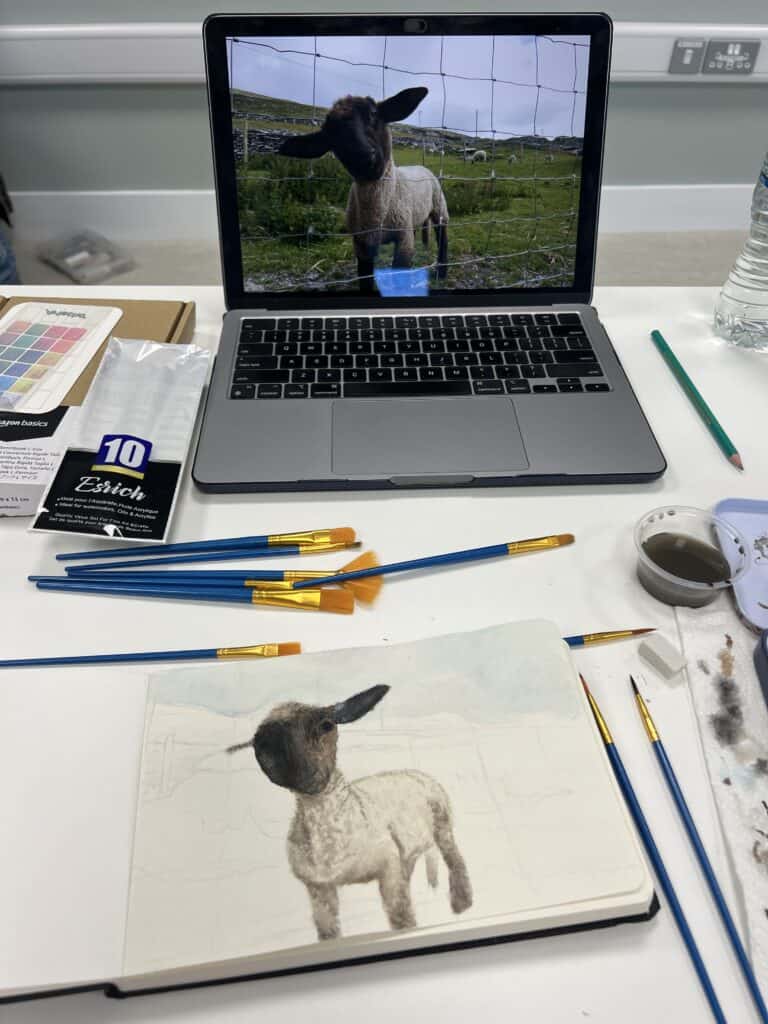
In this site-specific offering of Intro to Painting, we will explore and document the Irish landscape, environs, and people of Dingle. Students will be provided a watercolor pad and watercolor kit to document their unique experience of Dingle through pictures and words, in a visual journal. The produced work will be catalogued and exhibited at Sacred Heart University in Fairfield, CT in the semesters following the program.
The basic and essential skills of painting will be covered through demonstrations of landscape, portraits, and scene painting. The writing component will be explored through reflections, poetry, interviews, and/or essays. No previous painting experience is necessary. Let’s make art!
DA XXX – DANCE IN IRELAND: HISTORY AT THE CROSSROADS
3 Credits
Offered
Summer 2 Short Term
Faculty
Clare Byrne
Description
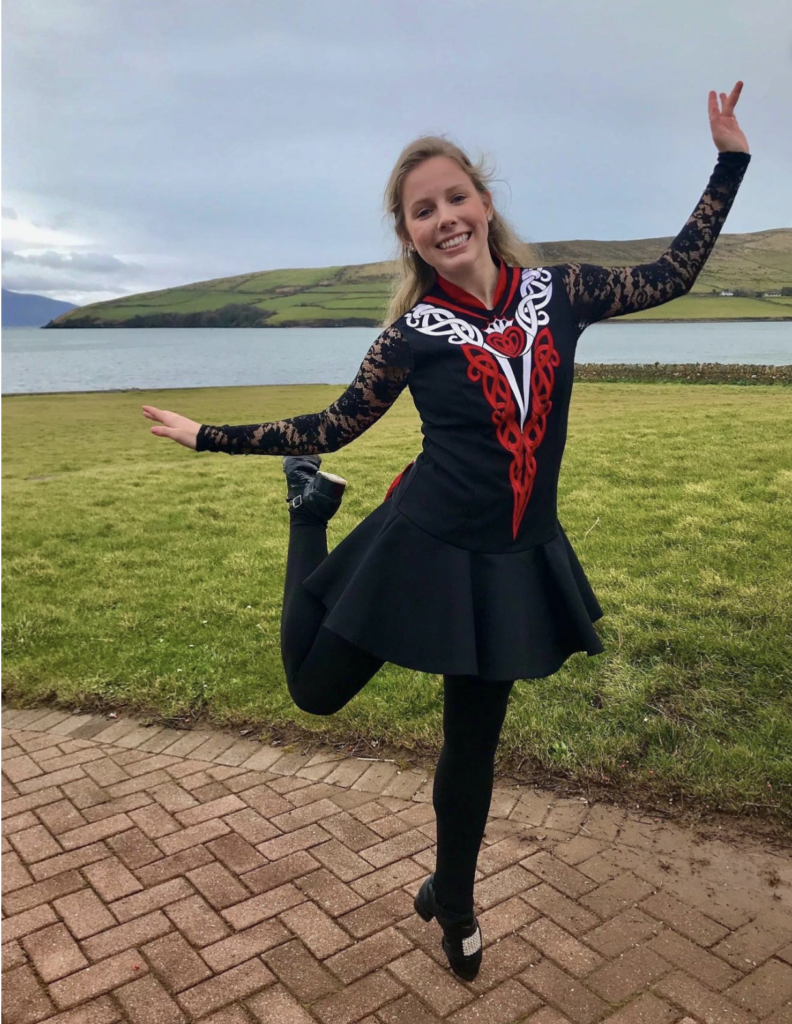
This course steps right into Ireland’s vibrant history of ritual and social dance, including traditions of crossroads dancing, where rural communities gathered at roadsides, and young people met to find partners — in dance and in life.
We will immerse into Irish traditions of dance like set dancing, céili dancing, and sean nós, and visit indoor and outdoor gatherings. We will talk to artists and organizers who are reviving dance events in creative ways around Ireland. We will compare these traditions and innovations with other instances of ritual and social dance around the globe, including in India, Japan, Brazil, North America, and the Caribbean.
Along the way, we will ask ourselves: How does dance intersect with the spaces and landscapes it inhabits? How does dance build community, create identity — and even resist oppression? Why has dance been so essential to Irish culture, and cultures all over the world.
Why is it often “in the crosshairs?”
CM 103/231 – Capturing your Irish Adventures
3 Credits
Liberal Arts Exploration
- Social & Global Awareness
Offered
Spring Semester
Faculty
Description
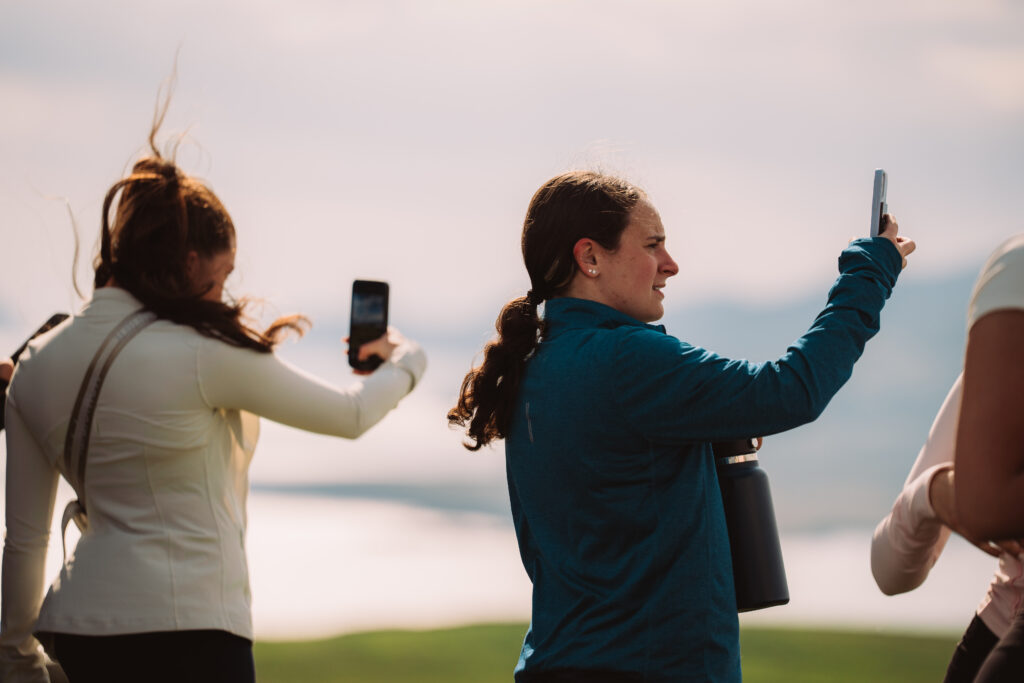
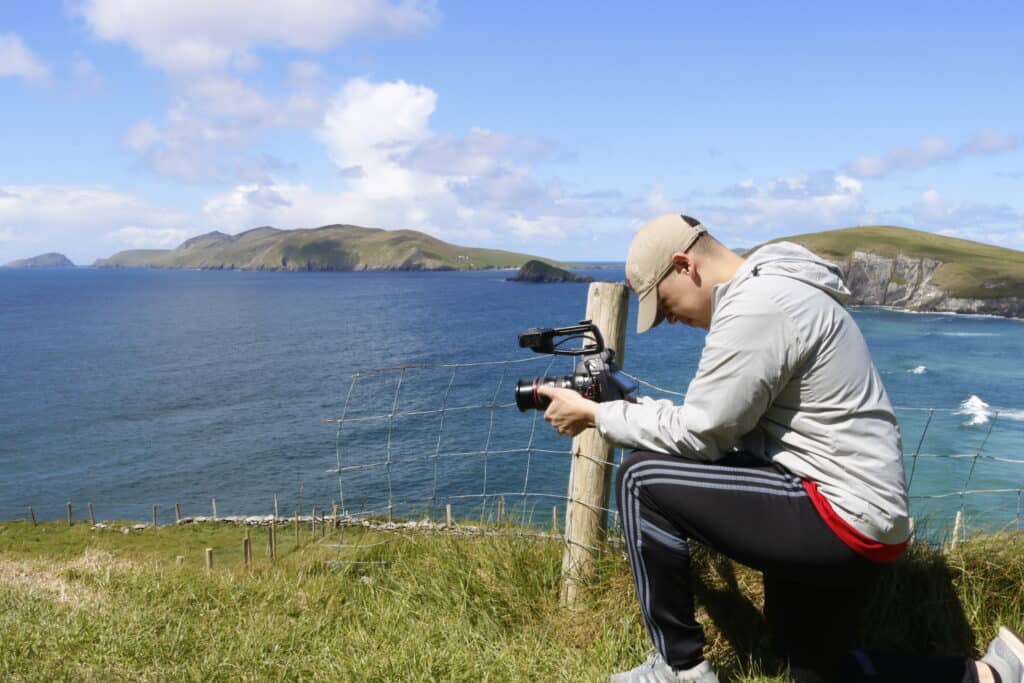
Using the students’ emotional experience and study abroad locales, students will create creative pieces that will serve their artistic vision, their fundamental understanding of film production, and the logistical elements of field production.
CM 135/ENG 299 – Irish Cinema
3 Credits
Liberal Arts Exploration
- Social & Global Awareness
- Arts/Communication/Language Foundational Core
Offered
Spring Semester
Faculty
Description
Delivered through a combination of lecture, creative workshop and screening formats, this course examines Irish Cinema in historical, sociocultural, and contemporary contexts, with a particular emphasis on interrogating concepts of Irishness, identity, and tradition.
Included in this course will be an overview of various theoretical and methodological approaches to the study of film, so that students will be provided with an appropriate vocabulary in the academic study of film, making it accessible to students of both Media and other majors.
There will be a particular focus on learning through doing, leading students to critically engage with theoretical concepts through the creation of various audio-visual projects and exercises inspired by Irish film and visual culture.
CM 396 – Internship
3 Credits
Offered
Spring Semester
Faculty
Description
The School of Communication, Media & the Arts encourages all Media Studies and Digital Communication majors to experience at least one internship before they graduate. Not only do students gain valuable experience, but they also receive academic credit for their internship learning experiences.
The SHU Dingle program is an ideal location to experience the many aspects of media and communication training.
CM XXX – CONSUMING IRELAND: CULTURAL STUDIES OF FOOD & DRINK
3 Credits
Liberal Arts Exploration
Offered
Summer 2 Short Term
Faculty
Description
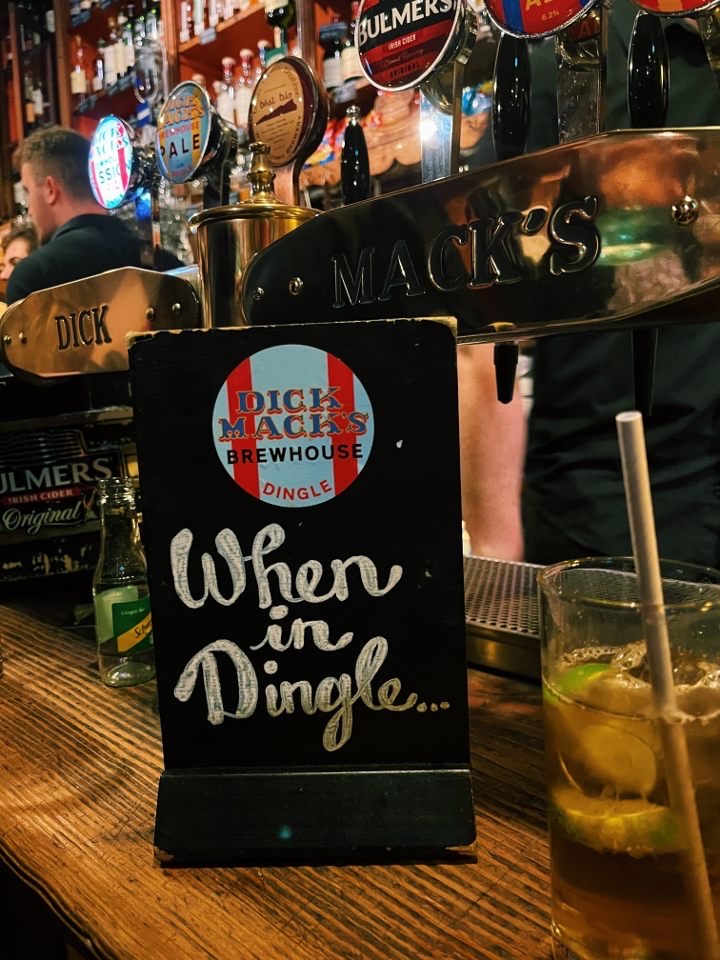
Beer is one of the oldest human inventions, and one of the most social. From the product of Ninkasi, the ancient Sumerian patron goddess of brewing, to your local convenience store shelf, beer has been tied to religious, cultural, and community practices. Beer is more than an intoxicant; it is a product that represents civilization and socialization.
In this course, instead of looking at beer as science, we will consider beer as a part of public culture. This course is designed to provide a cultural studies approach to beer. Specifically, using Dingle, Ireland as a site for exploration, this course examines how communication influences and is influenced by the production, consumption, representation, and distribution of beer, and how communication intersects with issues of identity in beer choices and processes. We will study multiple theoretical, conceptual, and methodological approaches to understanding this intersection of communication and an important artifact of public culture.
We will ask and come to provisional answers to questions such as: What is the role of beer in crafting Irish local and national identities? How did microbrewing become a marker of class? How does beer reflect or embody our cultural norms? When did the local pub become associated with community? How did beer, soccer/football, and masculinity come together? And many more.
MU 106 – INTRODUCTION TO IRISH MUSIC
3 Credits
liberal arts exploration
- Humanistic Inquiry
- Social & Global Awareness
- Art/Communications/Language Foundational Core
Offered
Spring Semester
Fall Semester
Winter Short Term
Summer 2 Short Term
Faculty
Description
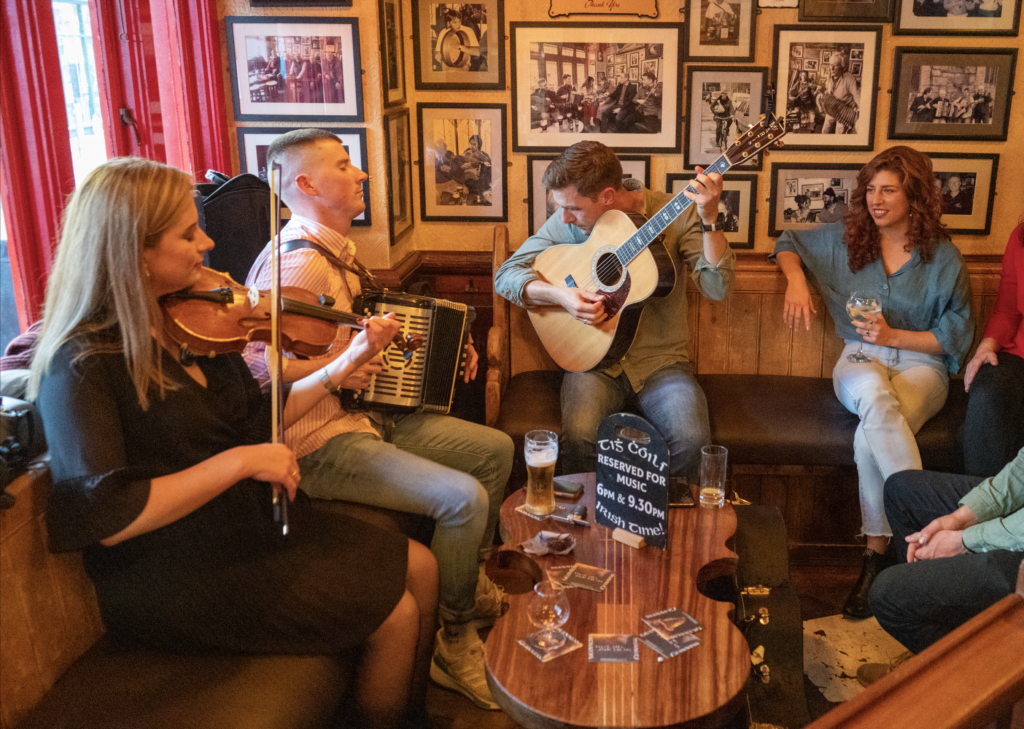
This course provides students with a thorough overview of traditional Irish music, song, and dance from their earliest references right up to today’s influence on the world music stage. Aural, as well as some basic traditional musicianship skills, will be developed over the course. Students will experience firsthand the Irish music scene locally.
Attendance at sessions and “céilís” will enable them to savor Traditional music in its natural social setting. The course will study the history and development of the tradition, while also ensuring that the students gain a deeper understanding of this tradition by learning some practical skills.
MU 290 – IRISH MYTH IN MUSIC AND LITURATURE
3 Credits
Liberal Arts Exploration
Offered
Summer 1 Short Term
Faculty
Description
This interdisciplinary course closely examines this influence of Irish folklore, literature, and musical tradition in the Western musical canon through a collaborative study of the literary and performing arts. Questions students will deliberate include: What Irish literature has inspired composers the most, and how were these literary examples set musically? What musical characteristics define an Irish influence, e.g. orchestration, mood, tonality? How are traditional Irish melodies performed in their native language and setting, and how does this contrast with the direction they have taken abroad? How have composers from around the world perceived Irish culture, and are these stereotypes justified or worth debunking?
Students will be able to discover answers to these questions through reading, listening, and their own performances and interpretation of music.